Horn Blowing Angle
The Horn Blowing Angle design is a whimsical and charming addition to any machine embroidery collection, especially for those who specialize in fairy tale-themed projects. Its playful nature and clear visual identity make it a strong candidate for custom apparel, baby items, and holiday decorations. But like any embroidery design, it requires careful consideration before being used in real-world applications.
First Impressions: A Whimsical Fairy Tale Design
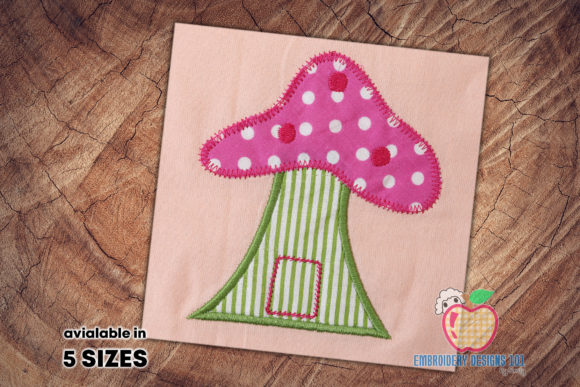
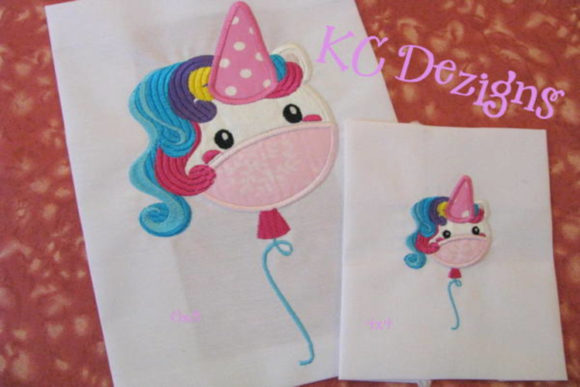
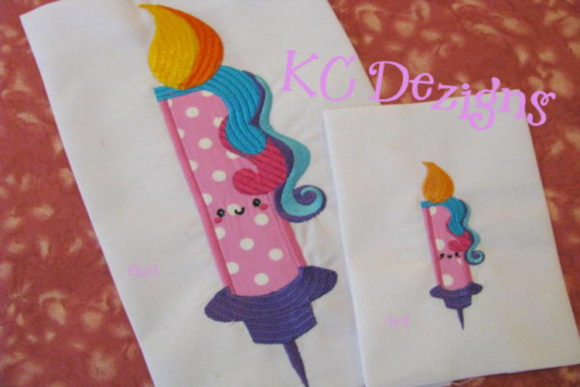
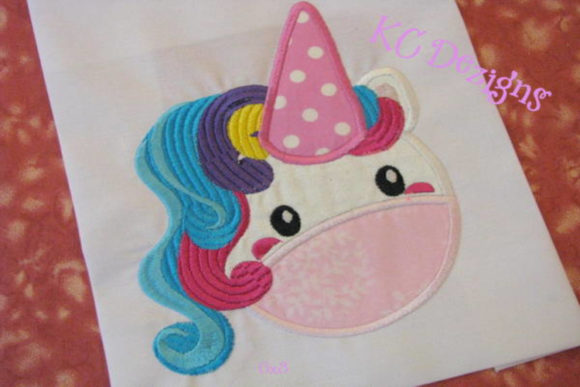
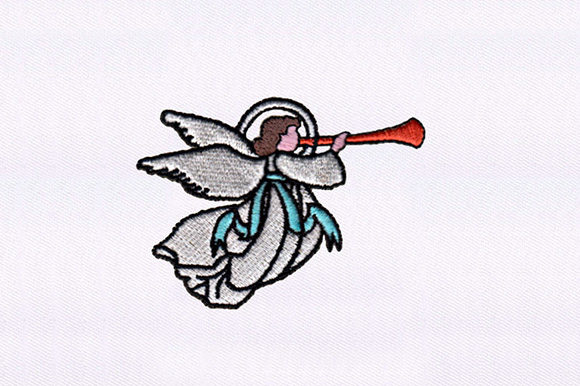
From the moment you view the Horn Blowing Angle, it exudes a sense of fantasy and storytelling. The design features a stylized horn blowing character, likely inspired by folklore or fairy tales, with clean lines and a bold, recognizable shape. The layout is straightforward, making it easy to integrate into various projects without overwhelming the fabric. It has a friendly, approachable aesthetic that would work well on children’s clothing, nursery decor, or even as an embroidered patch for a personalized item.
The detail level is moderate—enough to be visually interesting but not so intricate that it becomes a challenge for less experienced embroiderers. This makes it a good choice for both hobbyists and professionals looking for a reliable design that can be used across multiple product types.
Real-World Use Cases: Where Horn Blowing Angle Shines
When considering practical applications, the Horn Blowing Angle fits naturally into several categories. For example, a custom tote bag design featuring this motif could become a popular item at a craft fair or online store. Its simplicity allows for easy placement on larger areas, and its theme aligns well with the growing demand for handmade and personalized gifts.
On a sweatshirt or t-shirt, the design adds a touch of personality without being too busy. It could also be adapted for baby clothes, such as onesies or blankets, where the soft, familiar imagery can provide comfort and visual appeal. As an embroidered patch, it could be sewn onto jackets, backpacks, or caps, offering a subtle yet meaningful design element.
For holiday or seasonal projects, the Horn Blowing Angle could serve as a fun and unique embellishment. Whether it's a Christmas ornament, a gift tag, or a festive pillow cover, the design’s fairy tale roots give it a nostalgic charm that resonates with many customers.
Considerations for Different Fabrics and Projects
While the Horn Blowing Angle is versatile, it’s important to consider how it will perform on different fabrics and in various project formats. On thin or stretchy materials, the design may require additional stabilizer to prevent puckering or distortion. Similarly, on dark fabrics, the thread color contrast must be carefully chosen to ensure visibility and clarity.
For small hoop sizes, the design might need to be split into sections or adjusted to fit within the limited space. This is particularly relevant for aprons, caps, or other curved surfaces where the embroidery area is restricted. In such cases, testing the design on scrap fabric first is essential to avoid potential issues during the final stitching process.
Dense stitch areas or detailed corners could pose challenges if the design isn’t optimized for the specific machine or hooping method. It’s also worth noting that the design may not be ideal for products that undergo frequent washing, as repeated exposure to water and detergent could affect the longevity of the stitches.
Impact on Visual Appeal and Customer Perception
The Horn Blowing Angle has the potential to elevate the visual appeal of any finished product. Its clear, recognizable form adds a sense of professionalism and creativity, which can increase customer trust and engagement. When used on handmade products, it reinforces the idea of a thoughtful, personalized gift rather than a mass-produced item.
For Etsy sellers or small shop owners, the design offers a valuable asset that can be used across multiple product lines. Whether it's a printable mockup for a digital download or a physical embroidered item, the Horn Blowing Angle provides a consistent and appealing look that aligns with brand identity.
However, the success of the design depends heavily on execution. Poorly stitched details, incorrect thread colors, or improper placement can diminish its impact. Therefore, it's crucial to test the design thoroughly before incorporating it into commercial projects or selling it as a digital file.
Practical Designer Notes: What to Check Before Using Horn Blowing Angle
Before using the Horn Blowing Angle in any project, there are several key steps to follow. First, always test the design on scrap fabric to evaluate how it looks and performs. This helps identify any potential issues with stitch density, thread color, or fabric compatibility.
Review the embroidery file formats provided, including 10O, ART, CND, DSB, DST, DSZ, EXP, HUS, JEF, PCS, PES, TAP, VIP, VP3, and XXX. Ensure that your embroidery machine supports these files and that the design is properly formatted for your specific machine model.
Check the hoop size required for the design. If it’s too large for your current setup, consider adjusting the design or planning for multiple hooping sessions. Also, pay attention to the stitch density—too much or too little can affect the overall appearance and durability of the finished product.
Finally, confirm the licensing terms if you plan to sell finished items or digital products. Even though the design appears to be suitable for commercial use, it’s always wise to verify the rights and restrictions associated with the file.
Final Thoughts: A Versatile and Playful Embroidery Design
The Horn Blowing Angle is a well-designed, versatile option for anyone working with machine embroidery. Its fairy tale theme and clear visual structure make it ideal for a wide range of projects, from custom apparel to personalized gifts. However, its success ultimately depends on how it’s applied and executed.
By taking the time to test the design, choose appropriate thread colors, and consider fabric and project specifics, designers can maximize the value and appeal of Horn Blowing Angle. Whether you're an Etsy seller, a craft business owner, or a hobbyist, this design offers a creative and practical solution for adding a touch of whimsy to your work.