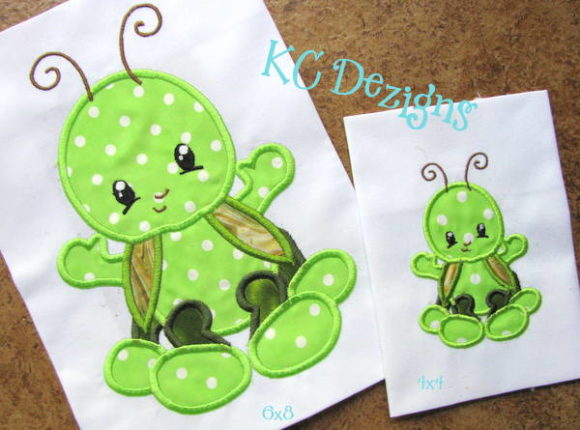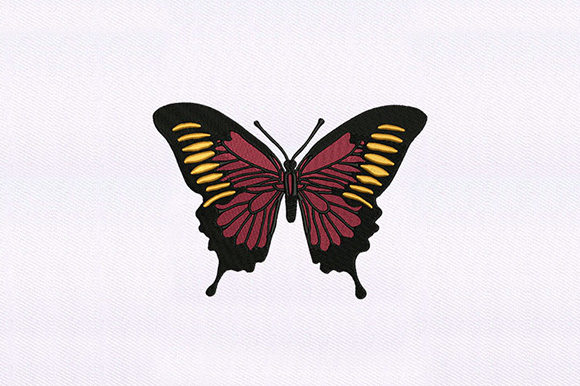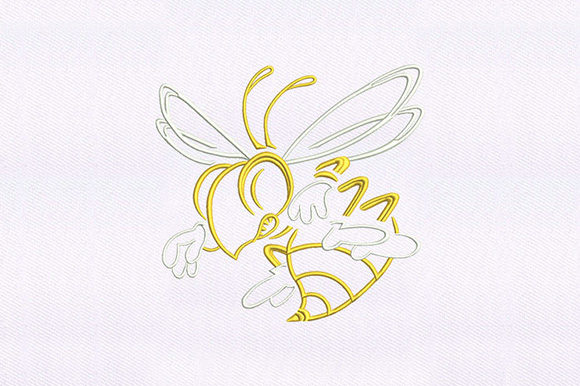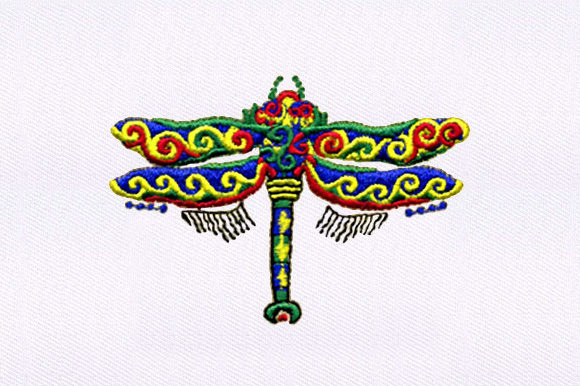
Baby Bug Bee Embroidery Review
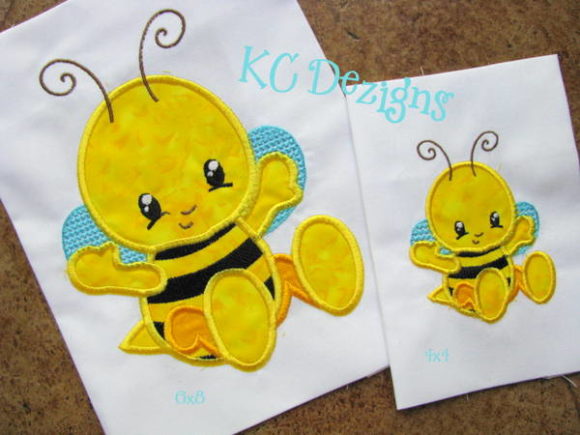
The Baby Bug Bee embroidery design offers a charming and versatile option for small business owners looking to add a touch of whimsy to their merchandise. With its playful appeal, this machine embroidery design can enhance a wide range of products, from baby blankets to tote bags, making it an excellent choice for branded patches and custom apparel.
First Impressions of Baby Bug Bee
Baby Bug Bee immediately conveys a friendly and approachable vibe. The design feels like a perfect fit for small businesses that want to express a sense of warmth and creativity. Its simple yet detailed structure makes it ideal for both handmade and commercial embroidery projects. Whether used as a chest logo or a sleeve detail, the design adds character without overwhelming the overall look.
The visual personality of Baby Bug Bee leans toward playful and modern. It’s not overly complex, which makes it adaptable for different fabric types and embroidery styles. This simplicity also helps in maintaining a clean brand identity across various product lines.
Real Business Use of Baby Bug Bee
For small business merch, Baby Bug Bee excels as an embroidered patch. Its size and shape make it suitable for use on caps, aprons, and tote bags. When applied to these items, it serves as a subtle yet effective branding element. For example, a local café could use it on staff uniforms or customer gift bags to reinforce their brand image.
This design is also great for apron embroidery and cap embroidery. Its moderate stitch density ensures it won’t be too dense on lightweight fabrics, while still providing enough detail to stand out. It works well with a variety of thread colors, allowing businesses to match their brand palette seamlessly.
As a tote bag design, Baby Bug Bee adds a unique touch that can differentiate a small business from competitors. It’s also a solid choice for product packaging accents, especially when paired with other design assets to create a cohesive look.
Where to Use Baby Bug Bee Carefully
While Baby Bug Bee is versatile, there are certain applications where it may not perform as well. On small patch sizes, the design might lose some of its detail, making it less effective as a standalone emblem. Similarly, on curved surfaces like cap fronts, the design may require adjustments to ensure proper placement and visibility.
High stitch density can cause issues on textured fabrics or dark uniforms, where the design might appear too busy or difficult to see. Tiny lettering or intricate outlines could also be problematic if not properly scaled. It’s important to test the embroidery file at different sizes before committing to production.
Impact on Brand Identity and Customer Engagement
Baby Bug Bee contributes positively to brand identity by offering a consistent visual element that aligns with a business’s style. When used across multiple products, it helps build recognition and trust among customers. A well-executed embroidered patch or logo can elevate the perceived value of a product, making it more appealing to buyers.
This design also enhances the presentation of handmade products. Its clean lines and soft curves give a professional yet approachable feel, which is ideal for Etsy sellers and craft brands. By using Baby Bug Bee as part of their design assets, small businesses can maintain a cohesive look that reinforces their brand message.
Practical Embroidery Designer Notes
Before finalizing any project with Baby Bug Bee, it’s wise to test the embroidery file in black and white. This helps assess how the design looks on different fabric textures and under various lighting conditions. Checking the design at a small patch size is also essential to ensure it remains legible and visually appealing.
Reviewing thread color contrast is crucial, especially when applying the design to dark uniforms or light-colored fabrics. Proper spacing between elements can prevent the design from appearing cluttered. Confirming the hoop size needed for the design will help avoid unnecessary adjustments during the embroidery process.
Testing the design on real fabric and using the correct stabilizer can significantly improve the finished product. Creating a printable mockup for client approval ensures everyone is satisfied with the final look. Comparing Baby Bug Bee with other design assets helps maintain visual consistency across all branded materials.
Finally, always confirm the commercial licensing terms of the digital embroidery file before using it for business purposes. This ensures that the design can be legally applied to products for sale without any issues.